

At the crossroads between East and West — the beating heart of Japan’s industry
Nagoya is the capital of Aichi Prefecture and the largest city in central Japan’s Chubu region, with a population of around 2.3 million — over 7 million across its wider metropolitan area — making it the country’s fourth-largest city. It lies almost midway between Tokyo and the historic cities of Kyoto and Osaka to the west. This central position has made Nagoya a crossroads for people and goods for centuries, first along the old Tokaido highway and today via the Tokaido Shinkansen, which reaches Kyoto in about 35 minutes and Tokyo in well under two hours. Nagoya is also the heart of Japan’s manufacturing industry: the home of Toyota and a major automotive and aerospace hub, the wider Chubu region produces more than half of all the aircraft components made in Japan. The modern city grew up around Nagoya Castle, built in 1610 for the Tokugawa family, whose castle town laid out the streets that still shape Nagoya today.
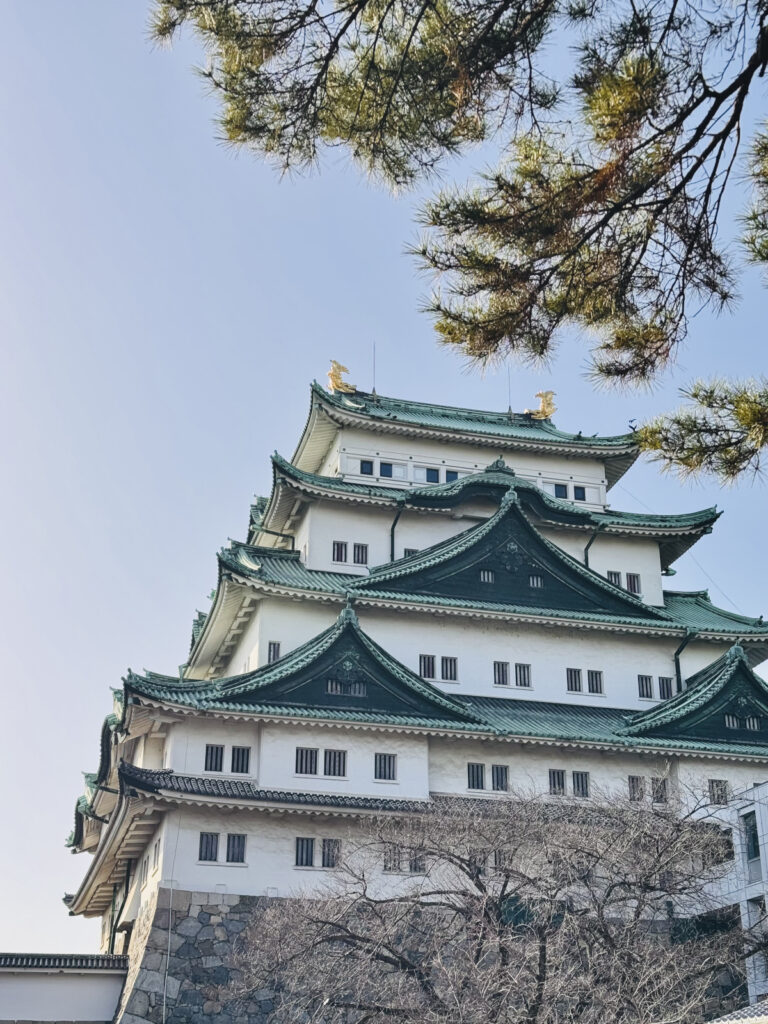
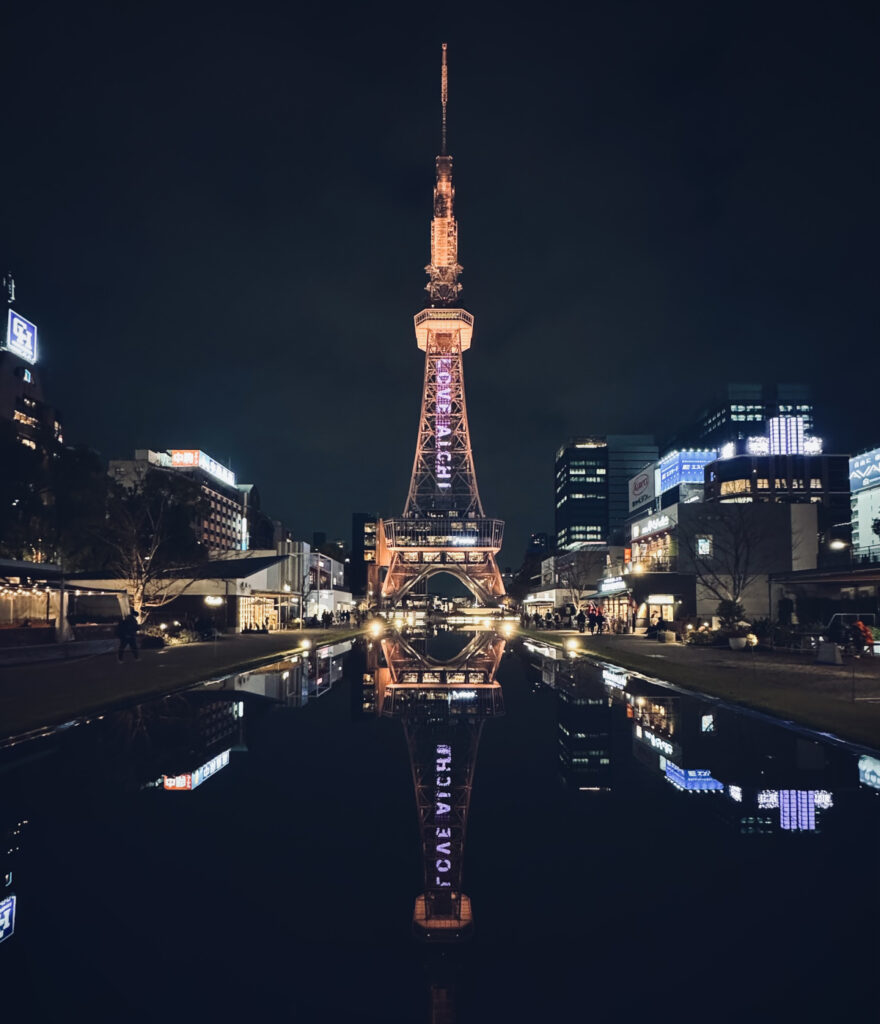
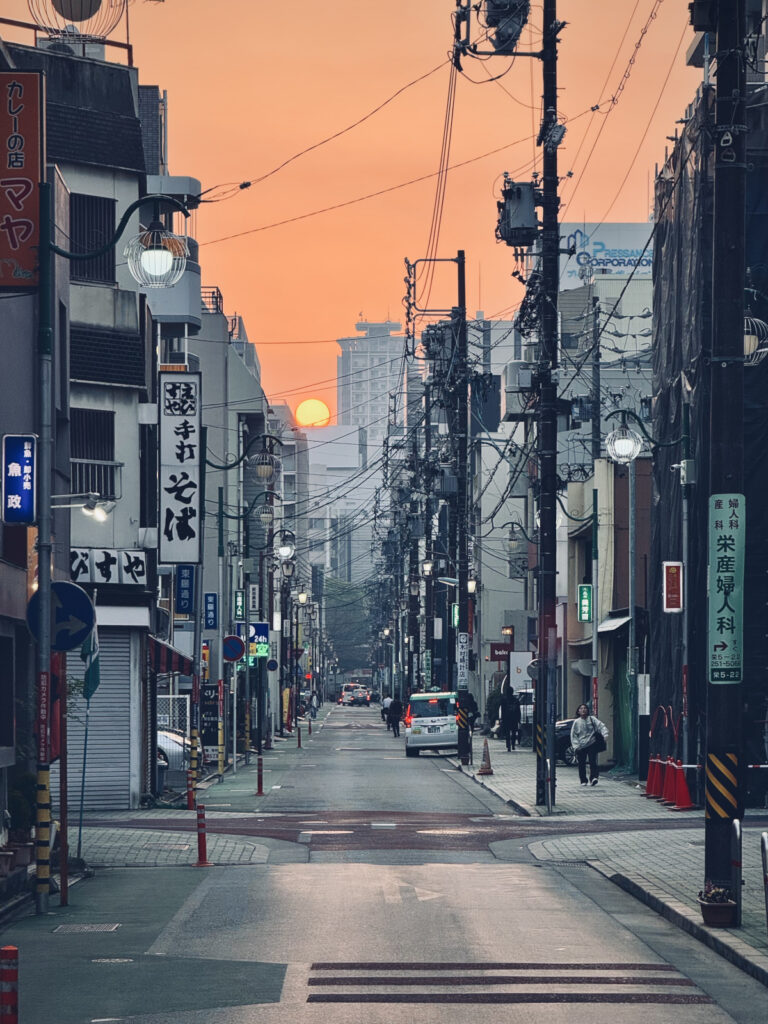
Blessed with four distinct seasons, Nagoya and its surroundings are an exciting place to visit. In the city, the reconstructed Nagoya Castle with its famous golden shachihoko ornaments, the ancient Atsuta Shrine, and the lively Osu shopping district reward a day of exploring. Nagoya is equally known for its distinctive local cuisine, “Nagoya meshi”, from hitsumabushi (grilled eel served over rice) and miso-katsu (pork cutlet in a rich red-miso sauce) to tebasaki chicken wings, all built on the region’s dark, long-aged Hatcho miso. Beyond the city, the Chubu region opens onto some of Japan’s finest scenery and heritage: the peaks of the Japanese Alps, the UNESCO World Heritage village of Shirakawa-go, the preserved post towns of the Kiso Valley, the mountain town of Takayama, and the shrines and coastline of Ise-Shima.
Discover more about Nagoya and central Japan:
- The Central Japan Tourism Association’s Go! Central Japan portal (English)
- Nagoya City’s official tourism portal — Visit Nagoya (English)

